Erarta Museum and the Visionary Tradition in Russian Contemporary Art
The Erarta Museum of Contemporary Art in St. Petersburg is the largest private museum of contemporary art in Russia. My work has been part of its permanent collection for over a decade. This is not simply a biographical fact — it is a relationship that has shaped my understanding of what it means for a painting to enter a public institution, and of the place visionary art occupies within the broader landscape of Russian contemporary art.
Erarta Museum: A Different Model
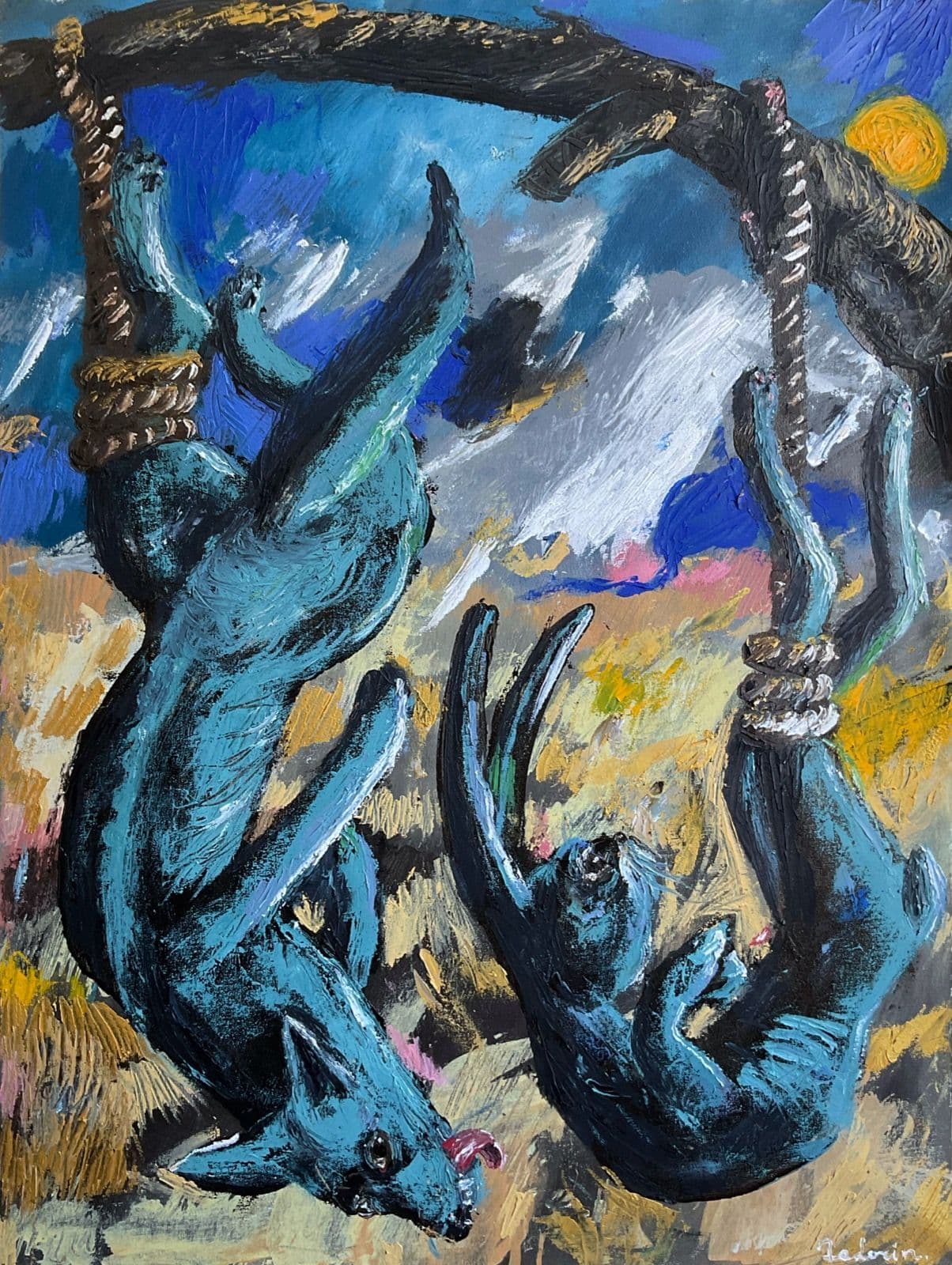
The Erarta Museum operates differently from most contemporary art institutions. Founded in 2010 in St. Petersburg, it does not limit itself to conceptual or market-driven art. Its collection includes figurative painters, visionary artists, and makers who work outside the dominant trends of the international art world. This openness is what made it possible for my work — mythological, symbolic, built on personal cosmology rather than art-world fashion — to find a permanent home.
St. Petersburg itself is relevant. The city has always existed at the intersection of European and Russian culture — a place where the rational grid of Enlightenment architecture meets the mystical intensity of Orthodox tradition. This tension is productive. The St. Petersburg art museum tradition, from the Hermitage to the Russian Museum to Erarta, has always been more receptive to visionary and symbolic work than the market-oriented institutions of Moscow or the West.
Russian Contemporary Art and the Visionary Strain
Russian contemporary art is far more diverse than its international reputation suggests. Beyond the well-known figures of Moscow conceptualism and Sots Art, there is a rich tradition of visionary, mythological, and spiritual painting that extends from the Symbolists of the Silver Age through the unofficial art of the Soviet period to the present day. My work belongs to this lineage — not by conscious choice but by temperament and formation.
The connection to icons is inescapable. Russian painting has never fully separated from its sacred roots. Even in the most secular periods, the structural logic of the icon — the frontal figure, the gold ground, the image as presence rather than depiction — persists as an underlying grammar. My paintings carry this grammar, even when their subjects are entirely personal.
What a Museum Collection Means
When a painting enters a museum's permanent collection, it ceases to be a private object. It becomes part of a public conversation — available to be seen, studied, and responded to by audiences the artist will never meet. My works at Erarta are seen by hundreds of thousands of visitors each year, in a context I do not control but trust. For a painter whose work is built on inner vision and personal mythology, this is both a gift and a responsibility: the paintings must be strong enough to speak for themselves, without the artist's presence, to viewers who bring their own histories and their own eyes.
Move from the essay to the work.
Open the related work, series, or collector route, or contact the studio for availability and a concise dossier.